Explore The Seven Summits – Highest Mountains in the World 2026–2027 Expeditions and Trekking

Discover the ultimate global mountaineering adventure: detailed guides for climbing the world's highest peaks on every continent, from Mount Everest Base Camp treks to the technical challenges of Denali and Vinson Massif. Expert preparation for your 2026 and 2027 expeditions.

The Seven Summits – Highest Mountains in the World 2026–2027 – Ultimate Overview for Mountaineers

The Seven Summits represent the quintessential global mountaineering challenge, requiring dedication, elite high-altitude training, and comprehensive logistics. This feat involves successfully summiting the highest mountains on each of the world's seven continents. For aspiring climbers, the 2026–2027 season offers prime windows to tackle these majestic peaks, from the vast, frozen expanse of Antarctica's Vinson Massif to the oxygen-starved heights of the Himalayas. Planning your international expedition starts with understanding the unique demands of each mountain.

Completing the Seven Summits solidifies a climber’s place in mountaineering history. The challenge involves contrasting environments—from the extreme cold of Denali, North America's highest peak, and the technical rock climbing required for Carstensz Pyramid (Oceania's highest according to the Messner list), to the popular trekking routes on Africa's Mount Kilimanjaro. Our guide provides essential details on climbing seasons, required permits, gear lists, and crucial strategies for altitude sickness prevention across all seven locations.

The Two Versions of the Seven Summits Challenge: Bass vs. Messner

The challenge is defined by two lists, differing only on the highest peak in Oceania:

Continent Bass List Peak (Kosciusko) Messner List Peak (Carstensz) Altitude (meters)
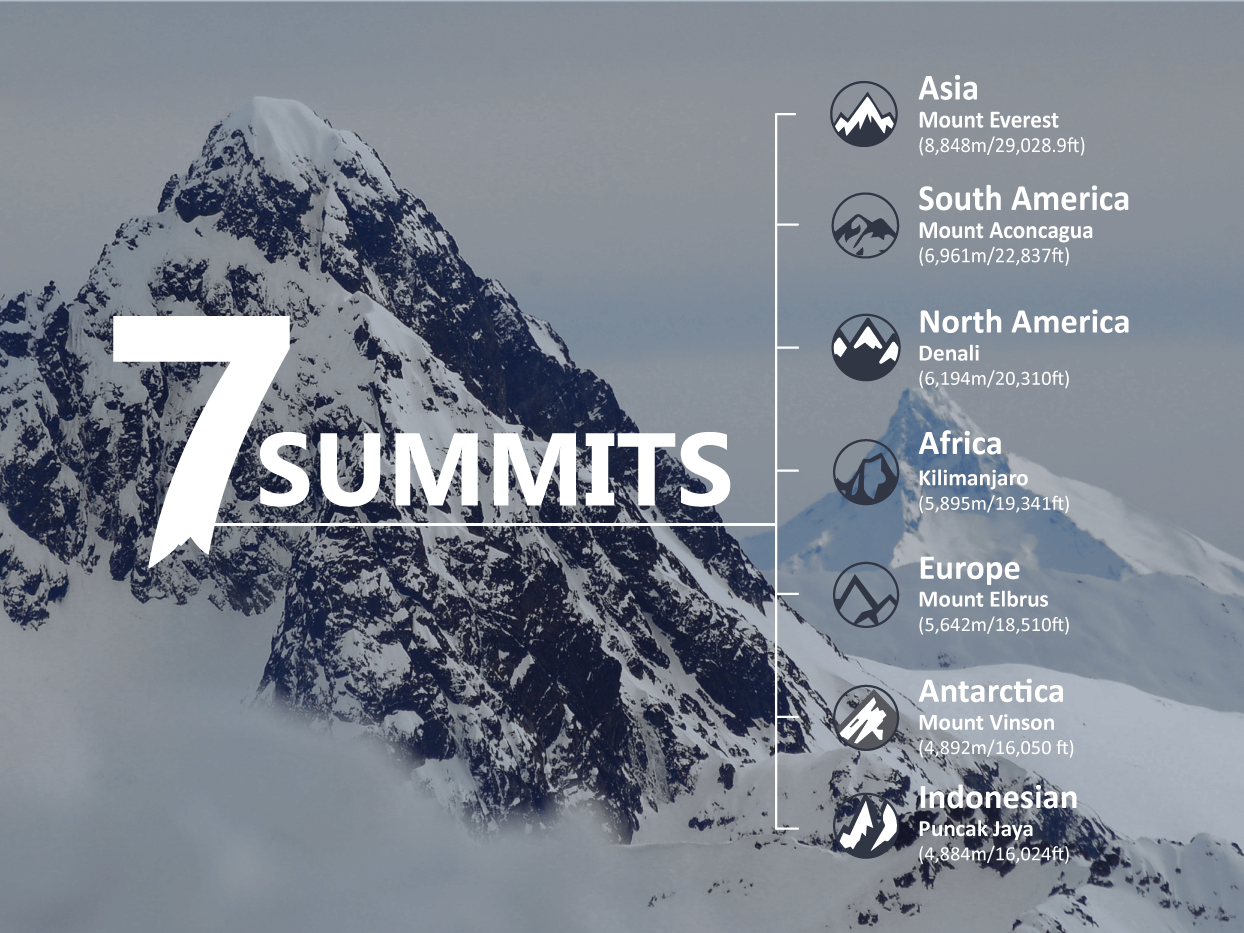
Asia Mount Everest (Nepal/China) Mount Everest (Nepal/China) 8,848.86 m
South America Aconcagua (Argentina) Aconcagua (Argentina) 6,961 m
North America Denali (USA, Alaska) Denali (USA, Alaska) 6,190 m
Africa Kilimanjaro (Tanzania) Kilimanjaro (Tanzania) 5,895 m
Europe Mount Elbrus (Russia) Mount Elbrus (Russia) 5,642 m
Antarctica Vinson Massif (Antarctica) Vinson Massif (Antarctica) 4,892 m
Oceania Mount Kosciuszko (Australia) Carstensz Pyramid (Indonesia/Papua) 2,228 m / 4,884 m

Key Expedition Details for Your 2026/2027 Climb

  • Mount Everest (The Roof of the World): The most demanding climb. Requires supplemental oxygen above 8,000m (the Death Zone). The standard routes are the South Col (Nepal) and Northeast Ridge (Tibet). Best season: April-May before the monsoon.
  • Aconcagua (Stone Sentinel): Highest peak outside of Asia. Often used for high-altitude training. The Normal Route is non-technical but physically arduous; the Polish Glacier Traverse is more challenging. Best season: November–March (Austral summer).
  • Denali (Mount McKinley): Known for extreme cold, isolation, and requiring climbers to haul heavy sleds. The standard route is the west Buttress. This is a true wilderness expedition. Best season: May–July.
  • Mount Elbrus (Europe's Highest Volcano): The easiest of the seven by technical skill, often attempted as a ski tour. It is a dormant volcano with twin peaks. Best season: May–September.
  • Kilimanjaro (Africa's Highest Free-Standing Mountain): A high-altitude trek, not a technical climb (except for the Western Breach). Popular routes include Machame, Lemosho, and the challenging Umbwe Route. Best seasons: Jan-Mar and Jun-Oct.
  • Vinson Massif (Antarctic Isolation): Logistically complex and expensive. The extreme cold requires specialized gear. Expeditions are only run during the brief Antarctic summer, December–January.
  • Carstensz Pyramid (Puncak Jaya): The most technical climb, involving fixed ropes and rock climbing on limestone. Located in the remote region of Papua, Indonesia.

Plan Your 2026/2027 Seven Summits Adventure

Whether you aim to complete the full circuit, or just tackle a single goal like a Kilimanjaro trek or Everest Base Camp trek, our experts provide the safety, logistics, and guidance necessary. Learn about acclimatization schedules, expedition costs, and the crucial choice of a reputable outfitter. Click below to access your exclusive guide on training for high-altitude climbs and securing your spot for the upcoming 2026–2027 climbing seasons.
The Seven Summits Challenge: Highest Mountains in the World Expeditions 2026-2027

Conquer the World's Highest Peaks: The Seven Summits Expedition 2026-2027 with Kiliserengoro Tours

Your Definitive Guide to Climbing the World's Highest Mountains on Every Continent, from Mount Everest to Kilimanjaro.

Welcome to the ultimate mountaineering adventure: The Seven Summits. This legendary challenge involves summiting the highest mountain on each of the world's seven continents. kiliserengoro Tours specializes in providing world-class, safe, and fully-supported expeditions for ambitious climbers aiming to achieve this elite global goal in 2026 and 2027. We offer complete logistics for both the Messner List (Carstensz Pyramid) and the Bass List (Mount Kosciuszko) to ensure your achievement is internationally recognized.

Understanding the Seven Summits Versions: Messner vs. Bass

The core six mountains are undisputed, but the highest peak of the Australian continent (Oceania) has two classifications:

  • The Messner List: Favored by modern mountaineers, this list recognizes Puncak Jaya (Carstensz Pyramid) in Indonesia (4,884 m) as the highest peak in the Australasian continent, requiring technical rock climbing skills.
  • The Bass List: The original list names Mount Kosciuszko in Australia (2,228 m) as the highest peak of mainland Australia, which is a non-technical trek.

Our complete Seven Summits packages cover both options, allowing you to choose the challenge that defines your legacy. Fewer than 400 climbers have successfully completed this full circuit, cementing it as the pinnacle of high-altitude mountaineering.

The Seven Summits Expeditions 2026-2027: Detailed Itinerary & Difficulty

Kiliserengoro Tours guides you through a progressive ascent series, carefully sequencing peaks to optimize acclimatization and technical skill development. This order reflects the typical mountaineering difficulty ranking—from most strenuous to best for initial preparation.

Estimated Seven Summits Expedition Costs & Logistical Overview

Mountain Continent Typical Duration Technical Difficulty Estimated Cost Range (USD)
Kilimanjaro Africa 5-9 Days Trekking Peak (No Technical Skills) $3,000 – $6,000
Mount Elbrus Europe 9-12 Days Basic Alpine Skills (Crampons, Ice Axe) $3,500 – $7,000
Aconcagua South America 16-20 Days High-Altitude Trekking (Extreme Cold/Wind) $5,000 – $10,000
Puncak Jaya (Carstensz) Oceania 14-20 Days High Technical Rock Climbing $15,000 – $30,000+
Denali North America 20-25 Days Extreme Cold, Self-Sufficiency, Glacier Travel $10,000 – $18,000+
Vinson Massif Antarctica 15-20 Days Logistical Extremity, Polar Conditions (Extreme Cost) $40,000 – $55,000+
Mount Everest Asia 50-60 Days Extreme High Altitude (Death Zone), Long Duration $45,000 – $80,000+

Note on Costs: The estimated ranges cover standard full-service guided expeditions for the 2026-2027 climbing seasons and do not include international airfare, personal gear, or contingency funds. The total cost to complete all Seven Summits is typically between $160,000 and $200,000+ USD for a comprehensive, safety-focused effort.

1. Mount Kilimanjaro (Africa): The Best Training Ground 🇹🇿

Elevation: 5,895 m (19,341 ft) | Route Focus: Non-technical trek, high-altitude acclimatization.

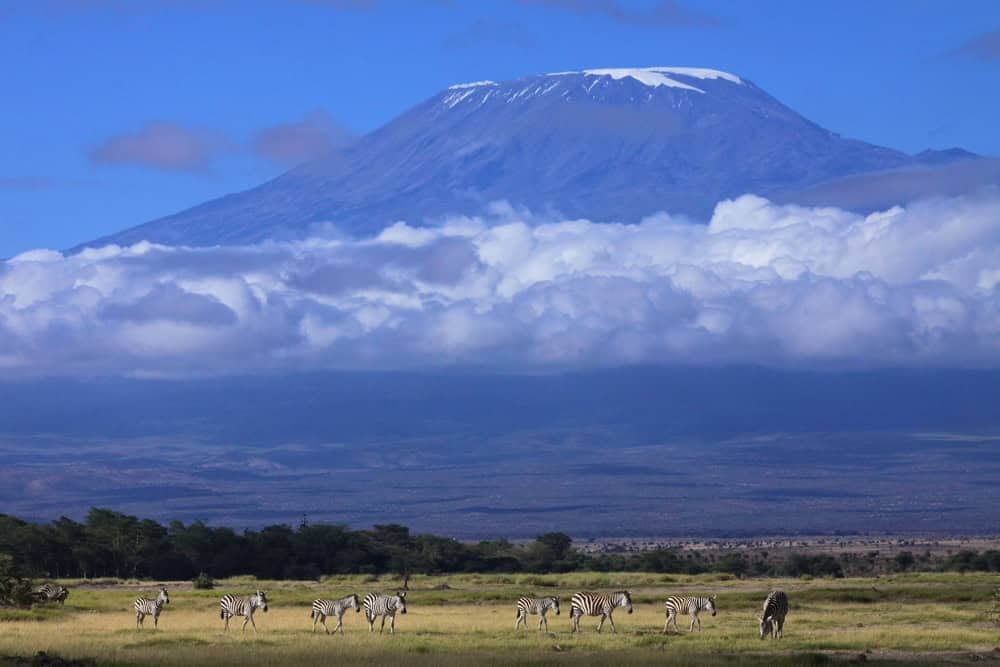
Mount Kilimanjaro Summit Uhuru Peak with Kiliserengoro Tours

As Africa's highest peak, Kilimanjaro is the ideal first step in your Seven Summits journey. Our local expertise ensures the highest safety standards and success rates, often using the Lemosho Route for optimal acclimatization. This is a crucial test of your body's response to altitude and endurance before moving on to 7,000m peaks like Aconcagua. Kiliserengoro Tours is a Tanzanian-based operator, guaranteeing you the most knowledgeable and sustainable Kilimanjaro guides and porters.

2. Aconcagua (South America): Testing the 7,000-Meter Mark 🇦🇷

Elevation: 6,961 m (22,838 ft) | Route Focus: Normal Route (Non-technical), Extreme Cold/Wind.

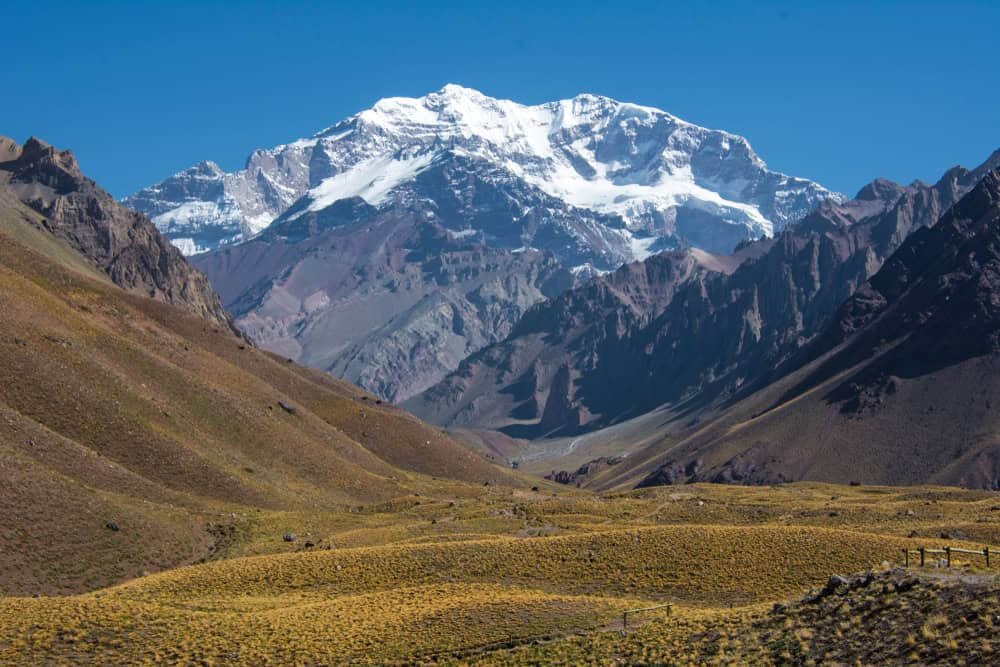
Aconcagua Summit, Highest Peak in the Americas

The highest mountain outside of Asia, Aconcagua is a massive altitude challenge. Climbers face the severe Viento Blanco (White Wind) and must carry heavy expedition loads. While the Normal Route is non-technical, proper training in high-altitude self-care and the correct use of double mountaineering boots and crampons is essential. This expedition perfectly bridges the gap between trekking peaks and the 8,000m challenges.

3. Denali (North America): The Most Strenuous of the Seven Summits 🇺🇸

Elevation: 6,190 m (20,310 ft) | Route Focus: West Buttress, Self-sufficient logistics, Crevasse Rescue skills.

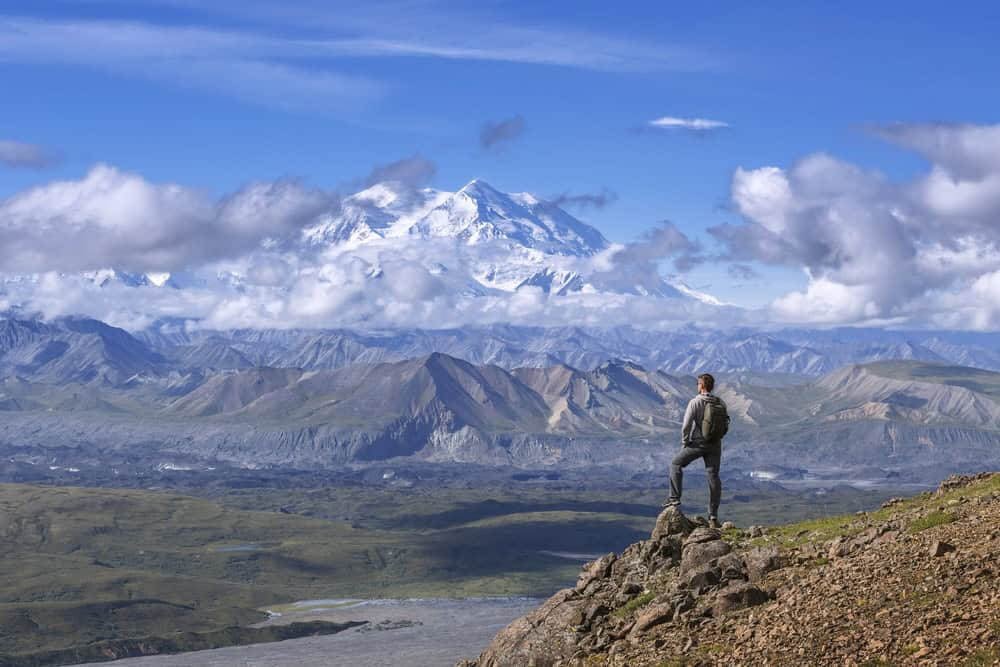
Denali Mountain, Highest in North America and toughest of the Seven Summits

Often cited by experienced climbers as the most strenuous peak due to its high latitude and brutal, unpredictable weather, Denali demands total self-sufficiency. Climbers haul up to 120 lbs of gear by sled and pack. Our program mandates pre-expedition training in glacier travel, crevasse rescue, and winter camping techniques to manage the intense cold and isolation of the Alaska Range. This is a true expedition requiring advanced skills and mental fortitude.

4. Mount Elbrus (Europe): The Gentle Giant of the Caucasus 🇷🇺

Elevation: 5,642 m (18,510 ft) | Route Focus: South Side (Cable Car Assisted), Basic Ice Axe and Crampon proficiency.

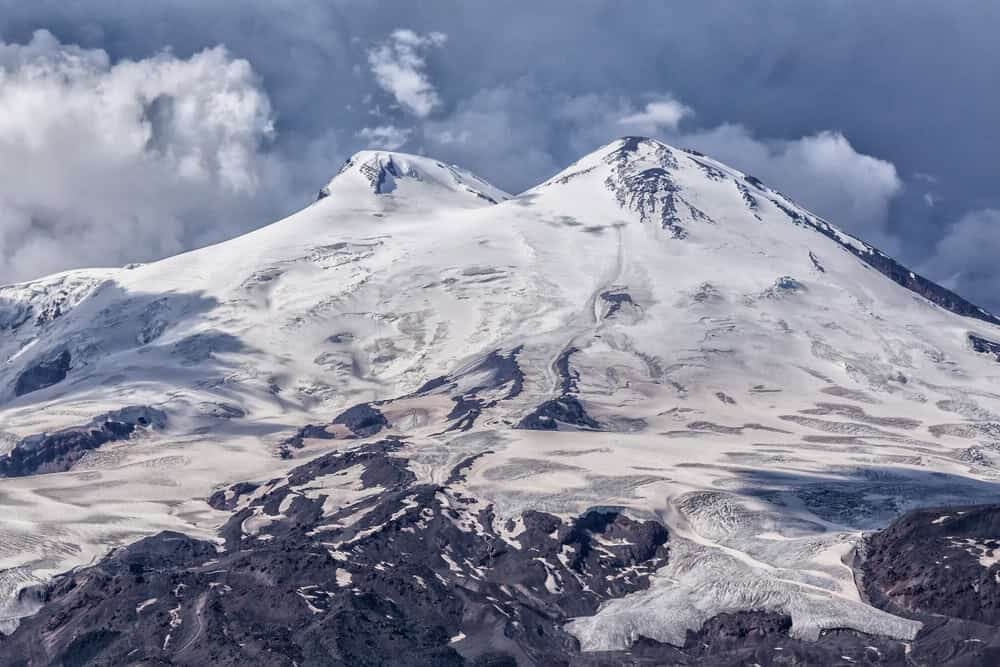
Mount Elbrus dormant volcano in the Caucasus Mountains

As the highest mountain in Europe, Elbrus offers a great opportunity to practice basic mountaineering skills like using an ice axe and crampons in a more accessible environment than Denali. The standard route is often aided by cable cars, but the summit day is long, cold, and requires stamina and proper gear to handle the changeable weather on this dormant stratovolcano.

5. Vinson Massif (Antarctica): The Ultimate Remote Expedition 🇦🇶

Elevation: 4,892 m (16,050 ft) | Route Focus: Extreme Polar Logistics, Sub-Zero Camping, Highest Cost Factor.

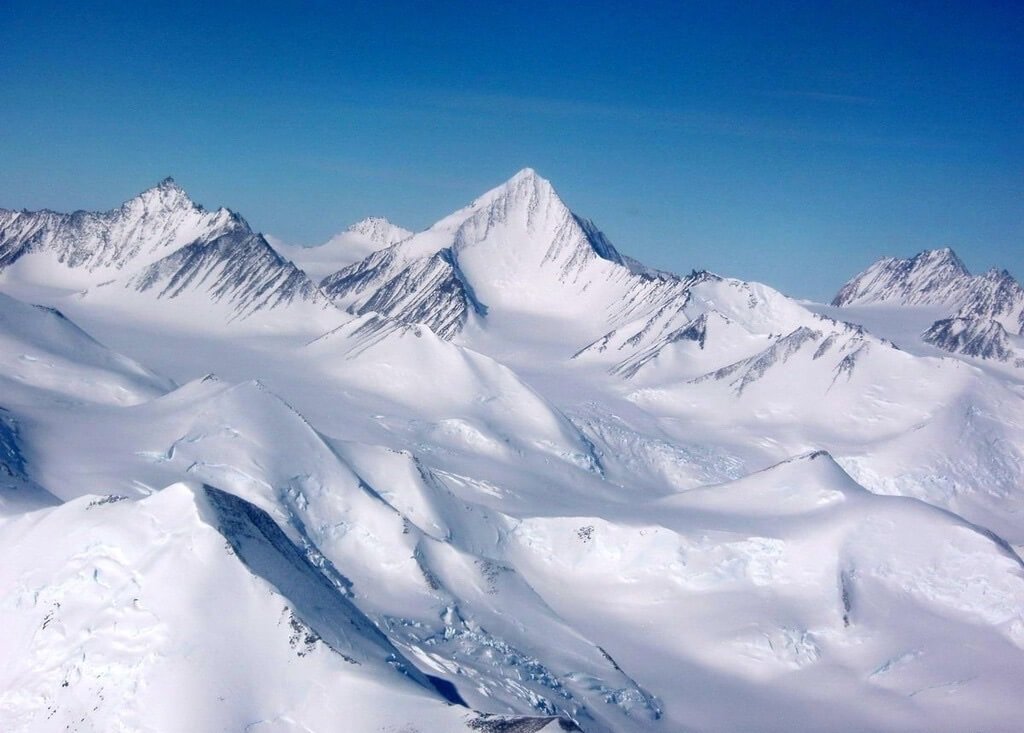
Vinson Massif, Highest Mountain in Antarctica

Vinson Massif is defined by its logistics and extreme cold. Situated in the Ellsworth Mountains, the expedition requires chartered flights and specialized permits, making it the most expensive of the Seven Summits. While technically straightforward, climbers must master the use of down suits and polar-grade gear to survive sustained temperatures down to -40°C in the constant daylight of the Austral Summer.

6. Puncak Jaya (Oceania): Technical Rock Climbing at Altitude 🇮🇩

Elevation: 4,884 m (16,024 ft) | Route Focus: Advanced Ropes Skills, rock climbing exposure.

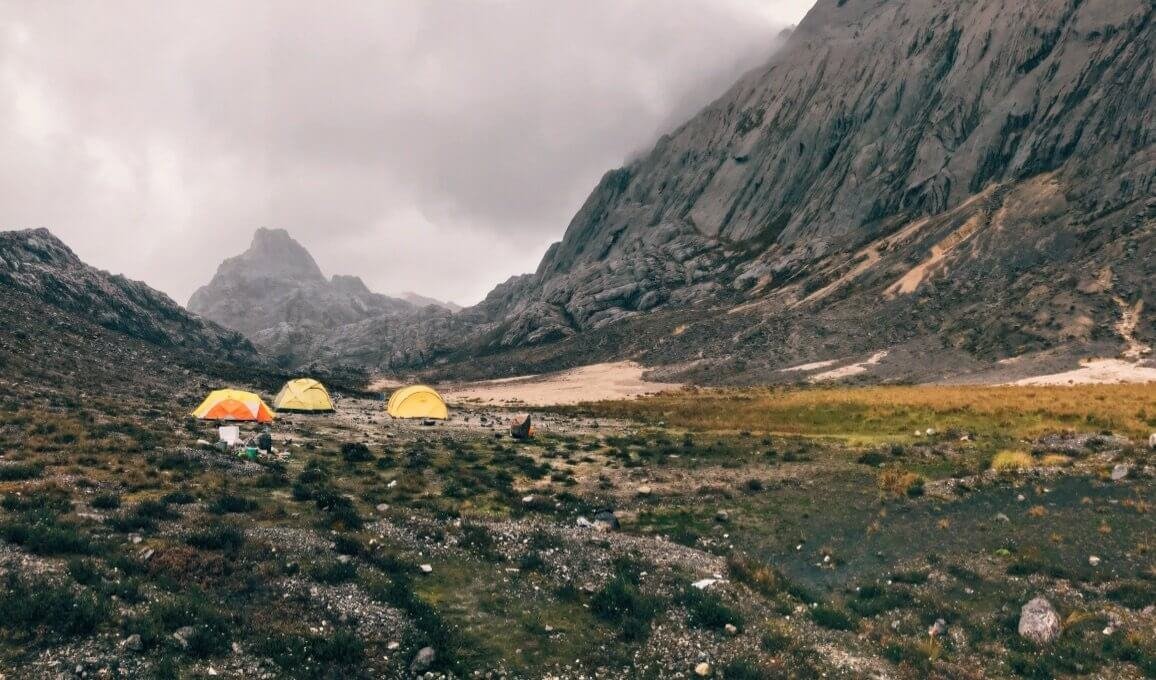
Puncak Jaya (Carstensz Pyramid) technical rock climbing

Puncak Jaya, or Carstensz Pyramid, is the most technically demanding climb, requiring fixed rope skills, ascending and rappelling along the sharp limestone spire. Access is complex, involving a difficult jungle trek or helicopter charter through a sensitive region of New Guinea. This is essential for climbers committed to the Messner Seven Summits list and demands prior experience in exposed rock climbing and fixed-line work.

7. Mount Everest (Asia): The Crown Jewel of High-Altitude Climbing 🇳🇵🇨🇳

Elevation: 8,848.86 m (29,032 ft) | Route Focus: South Col or North Ridge, Supplemental Oxygen, Death Zone endurance.

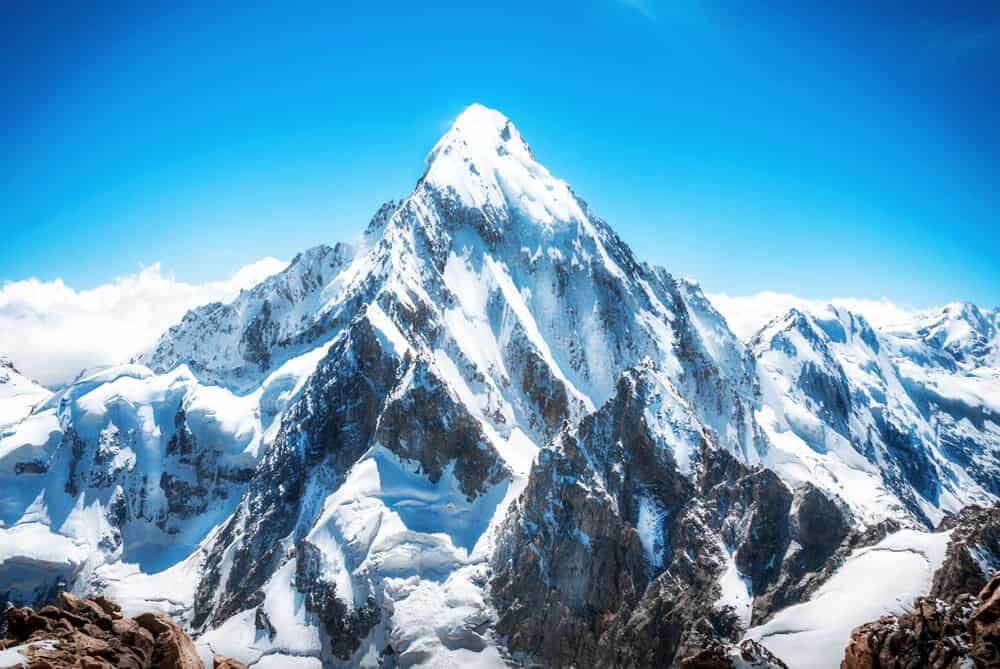
Mount Everest Summit, Highest Mountain on Earth

The ultimate prize in mountaineering. While often navigated using fixed ropes, Mount Everest is the pinnacle of physical and mental endurance due to its extreme altitude in the Death Zone (above 8,000m). A successful expedition requires a two-month commitment, meticulous planning, and the support of expert Sherpa guides. Kiliserengoro Tours collaborates with trusted Everest operators to ensure a safe, ethical, and high-success rate attempt on the Highest Mountain on Earth.

The Summit Experience: Beyond Altitude, Achieving Personal Transformation

The psychological reward and mental fortitude gained from conquering the highest mountains in the world (2026-2027).

For a Kiliserengoro Tours climber, the journey is as vital as the destination. Reaching the Seven Summits is not just a physical feat; it is a profound journey of self-discovery and resilience. The rush of successfully navigating the high-altitude challenge and standing on a summit like **Uhuru Peak or Mount Everest provides a unique and incomparable sense of accomplishment.

"Imagine the thin, crisp mountain air filling your lungs. You look out over the curved horizon, and in that moment of profound silence, you are encompassed by the feeling of being truly free. It's a sensation of self-overcoming, peace, and raw connection to the Earth that few experiences can match."

A Kiliserengoro Tours Summit Alumnus

Building Mental Fortitude: The Cornerstone of Seven Summits Success

The physical challenge of climbing Denali or the extreme logistics of Vinson Massif require rigorous high-altitude training. However, mental preparation is the true secret to success. Our programs integrate psychological readiness to help climbers manage risk assessment, overcome fear, and maintain discipline during long, arduous summit pushes.

  • Enhanced Discipline: The repetitive, demanding nature of expedition climbing builds unwavering focus.
  • Stress Regulation: Managing intense fear and uncertainty in the face of unpredictable mountain weather fosters powerful emotional control.
  • Improved Self-Esteem: Successfully meeting the world's greatest mountaineering challenges significantly boosts confidence and sense of self-worth.
  • Problem-Solving: Navigating difficult terrain and logistics requires keen mental agility, a skill transferred back to everyday life.

Your Mountaineering Preparation Checklist

Whether you are starting with Mount Kilimanjaro (The Rooftop of Africa) or tackling the 8,000-meter challenge of Everest, proper preparation is non-negotiable. Begin your journey toward the Seven Summits 2026-2027 with a structured approach:

  1. Cardio and Endurance: Focus on long-distance running, cycling, or swimming to build the endurance needed for 10-15 hour summit days.
  2. Strength Training: Emphasize core stability and legs, crucial for carrying heavy loads, especially on peaks like Aconcagua and Denali.
  3. Altitude Acclimatization: Consult with our experts on pre-acclimatization strategies and the optimal sequence of climbs to mitigate the risk of Acute Mountain Sickness (AMS).
  4. Technical Skill Practice: For the Messner List (Carstensz Pyramid) and glaciated peaks (Denali, Vinson), practice fixed-line work, crevasse rescue, and ice axe braking techniques well in advance.

Don't just chase a view; seek the transformation. Let Kiliserengoro Tours provide the expert guidance, logistical excellence, and mental support you need to turn your Seven Summits bucket list into a triumphant reality. Book your consultation today for the next expedition season 2026-2027!

Gear Mastery and Safety Protocols: Your Essential Seven Summits Success Kit

At Kiliserengoro Tours, we emphasize that proper expedition-grade gear is the single most critical factor in a safe and successful climb. The mountains, from the glacial zone of Kilimanjaro to the deadly Death Zone on Mount Everest, are unforgiving. Having the right technical clothing and mountaineering equipment is imperative; failure to do so can lead to frostbite, hypothermia, or require a costly and dangerous high-altitude rescue. You cannot simply run back to camp for an extra layer at 6,000 meters.

The Essential Mountaineering Gear Guide for Extreme Cold Climates

The Essential High-Altitude Layering System

The key to survival is managing moisture and insulation using three to five layers (wool or synthetic materials only).

  • Base Layer (Moisture-Wicking): Thermal long-underwear tops and bottoms (Merino Wool/Synthetic).
  • Mid Layer (Insulation): Heavy fleece jacket and insulated synthetic pants.
  • Outer Shell (Weather Protection): Waterproof and breathable Gore-Tex™ or similar hard-shell jacket and pants.
  • Extreme Insulation: A high-fill (800 minimum) expedition-grade Big Down Jacket and insulated down pants or a Down Jumpsuit (for 8,000m peaks like Everest).

Footwear and Traction (Preventing Frostbite)

Foot health is paramount. Proper boots prevent blisters, frostbite, and aid stability on ice.

  • Trekking Boots: Sturdy, broken-in trekking boots for approach routes and lower altitudes (e.g., Kilimanjaro's Machame Route).
  • Double Boots: 7,000-meter double-boots minimum. For Everest or Vinson Massif, 8,000-meter expedition-grade double-boots are required.
  • Crampons: Adjustable, technical Crampon Ice Cleats suitable for glacier travel (essential for Denali, Elbrus, Aconcagua).
  • Gaiters: Waterproof, durable gaiters to seal boots from snow and ice.

Technical Climbing Hardware & Safety

Required for glaciated and technical peaks (Denali, Puncak Jaya, Vinson Massif).

  • Climbing Tools: Ice axe (glacier travel and self-arrest), helmet, climbing harness.
  • Rope Hardware: Figure-eight carabiner, locking and non-locking carabiners (minimum 5 each), jumar (ascender).
  • Navigation: Trekking Poles (adjustable, mandatory for joint support), Headlamp with fresh batteries.
  • Survival Gear: Expedition Sleeping Bag rated for -40°C, and a high-quality sleeping pad.

Protection of Extremities

Crucial for avoiding snow blindness and severe frostbite in high UV exposure.

  • Hand Protection (3-Tier System): Liner gloves, midweight climbing gloves, and heavy-duty expedition mittens.
  • Eye Protection: High-altitude Goggles (Category 4 protection) and UV-rated glacier sunglasses.
  • Headwear: Warm wool/fleece hat, neck gaiter, and balaclava.
  • Sunscreen: High-SPF, high-UV-rated sunblock and lip balm (chapstick) applied religiously.

Kiliserengoro Tours Professional Note: Always check the specific packing list provided for your selected mountain. For instance, Denali requires sled-pulling gear, and Puncak Jaya requires advanced rock-climbing harnesses. We provide detailed rental options for specialized high-altitude gear to help manage costs.

Summit-Ready Fitness: Your 6-Month Mountaineering Training Plan

The expeditions we offer demand the best version of yourself. You will encounter extreme weather, physically challenging conditions, and intense high altitude. While physical strength is a must, equally important is a positive attitude and the mental resilience to keep going when the terrain gets tough.

1. Endurance & Cardio Foundation

Focus on long-duration, low-intensity activities (running, cycling, swimming). Crucially, practice hiking while carrying a weighted pack (20-25% of body weight) on multi-day treks to simulate trail conditions. A strong heart and lungs are your best defense against Acute Mountain Sickness (AMS).

2. Strength & Core Focus

Incorporate exercises targeting the legs, back, and core (squats, lunges, deadlifts). A strong core prevents injuries, helps stabilize your body when carrying heavy loads, and is vital for balance on uneven terrain.

3. Technical Skill Acquisition

For glaciated peaks, enroll in a certified course for Glacier Travel, Crevasse Rescue, and Ice Axe proficiency. For the Carstensz Pyramid route, practice basic fixed-line work and rappelling to prepare for the technical rock sections.

Responsible Mountaineering & High-Altitude Safety Protocols

Altitude Management

  • Go Slowly ("Pole Pole"): The Kilimanjaro motto applies globally; steady pace is vital for acclimatization.
  • Hydration: Drink 4–5 liters of water daily; dehydration significantly increases AMS risk.
  • Acclimatization Schedule: Trust your guide's itinerary, which includes critical rest/rotation days for proper physiological adjustment.

Medical & Emergency Response

  • Guide Expertise: Our guides are trained as Wilderness First Responders (WFR).
  • Equipment: We carry essential oxygen, a Gamow Bag (portable hyperbaric chamber), and advanced communication (Satellite Phone) on high-risk expeditions.
  • Personal Kit: Always carry personal medication and a comprehensive first-aid kit.

Environmental Commitment

  • Leave No Trace (LNT): Pack out absolutely everything you pack in (trash, wrappers, batteries).
  • Local Support: Kiliserengoro Tours operates under ethical labor standards, supporting fair wages for porters and local staff in regions like Tanzania and Nepal.

Get Your Wallet Out: The Financial Reality of the Seven Summits Challenge

Tackling the Seven Summits is more than a physical and mental challenge—it's a significant financial investment. When planning an expedition with Kiliserengoro Tours for the 2026-2027 season, you must financially prepare for costs that extend far beyond the guiding fees. We believe in complete budget transparency regarding this investment, which ensures you have the necessary funds to climb safely and successfully. Expect the total cost of climbing Everest and Vinson Massif alone to exceed $100,000 USD.

1.Expedition Fees & Logistics

  • Guiding Fee: Covers guides, porters, food, tents, and safety gear.
  • Park & Permit Fees: Mandatory climbing permits and environmental levies (e.g., the high Mount Everest and Aconcagua permit costs).
  • Travel & Logistics: International flights, regional charters, ground transportation, and in-country accommodations.

2. Personal Gear & Training

  • Technical Gear: Purchasing high-altitude clothing, expedition boots, down suits, and specialized climbing hardware (easily $10,000+).
  • Training Investment: Fees for fitness programs, altitude training, or specialized courses (e.g., glacier travel for Denali).
  • Medical & Insurance: High-level travel and rescue insurance (mandatory) covering altitudes up to 8,848m.

3. Documentation & Contingency

  • Documentation: Current Passports, Visas, and special local travel permissions.
  • Contingency Buffer: Funds for unforeseen expenses, itinerary delays (weather), extra gear needs, or tipping the crew.
  • Personal Health: Medical check-ups and specialized medications (e.g., Diamox for altitude).

Estimated Seven Summits Expedition Cost Comparison (Least to Most Expensive)

These figures are representative ranges for standard guided expeditions, excluding international flights, personal gear, and contingency buffers.

Summit Continent Typical Expedition Cost Range (USD) Primary Cost Factor
Kilimanjaro (Africa) Africa $3,000 – $6,000 High park fees and comprehensive guide services
E (Europe) Europe $3,500 – $7,000 Local logistics and guiding fees
Aconcagua (South America) South America $5,000 – $10,000 High permit fees and logistical support
Denali (North America) North America $10,000 – $18,000+ Extended self-sufficient expedition logistics and air charters
Puncak Jaya (Oceania) Oceania $15,000 – $30,000+ Extreme travel/permit costs and security logistics
Vinson Massif (Antarctica) Antarctica $40,000 – $55,000+ Exclusive chartered flights to Antarctica
Mount Everest (Asia) Asia $45,000 – $80,000+ High permit fees, bottled oxygen, and long duration

Ready to take the first step? Contact Kiliserengoro Tours today for a detailed, no-obligation itinerary and customized budget estimate for your chosen summit(s).

Advanced Expedition Guidelines: Safety, Acclimatization, and Success Protocols

Climbing successfully, especially on the technical or extreme-altitude peaks of the Seven Summits, requires far more than physical fitness—it demands disciplined execution of proven mountaineering protocols. Your Kiliserengoro Tours team adheres to these stringent guidelines, and we expect every climber to fully embrace them.

Altitude Management and Pacing

  • 'Climb High, Sleep Low' Principle: We often climb to a higher point, then descend to sleep at a lower altitude to boost acclimatization and red blood cell production.
  • Controlled Ascent Rate: Strictly adhering to a maximum gain of 600m (2,000ft) elevation per day for sleeping altitude above 2,500m. Slower is safer.
  • Pacing - Pole Pole: Especially in the first week, conserve energy; your pace should feel deliberately slow. This discipline is the difference between summit success and failure.

Kiliserengoro Health & Medical Monitoring

  • Daily Health Checks: Guides perform twice-daily checks using medical-grade pulse oximeters (SpO2) and monitor for symptoms of **Acute Mountain Sickness (AMS).
  • Lake Louise System (LLSS): We use the LLSS to objectively score symptoms. Be honest about headaches, nausea, or fatigue—early intervention saves lives.
  • Turn-Back Policy: Our clear, non-negotiable policy mandates immediate descent if a climber's health metrics or symptoms reach a dangerous level. Safety supersedes the summit.
  • Emergency Gear: Every expedition carries emergency bottled Oxygen, comprehensive medical kits, and often a Gamow bag (portable hyperbaric chamber).

Nutrition, Hydration, and Rest

  • Hydration Focus: Aim for 4–6 liters of fluid daily. Prioritize warm liquids over cold water for better retention and comfort.
  • High-Calorie Intake: Consume high-carb, high-caloric meals frequently to counteract the immense calorie burn at altitude. Fueling correctly is non-negotiable.
  • Prioritize Sleep: Difficulty sleeping is a primary sign of insufficient acclimatization. Report sleep issues immediately; descent may be necessary.

Mental Resilience and Teamwork

  • Self-Sufficiency Practice: Learn and practice every piece of your gear at home; cognitive function is impaired at high altitude.
  • Mental Toughness: Focus on the next step, not the final summit, when you are tired. Develop stress management techniques like controlled breathing.
  • Team Dynamics: Mountaineering is a team sport. Be supportive and respectful of your fellow climbers and crew; strong team cohesion is a vital safety factor.
  • Humility: Respect the mountain and the guide's expertise. The guide's decision based on weather, health, and terrain is final.

Critical Pre-Climb Checklist Reminder

  • Insurance (MANDATORY): Ensure your travel insurance includes medical evacuation coverage specifically covering the maximum altitude of your peak.
  • Pre-Expedition Medical: Schedule a physical check-up, including ECG, and discuss altitude medication (like Diamox) with your doctor.
  • Field Testing Gear: Complete weekend "shakedown" hikes with your expedition pack and boots to confirm they fit and function properly.
  • Contingency Funds: Carry a dedicated financial buffer for unexpected logistical delays or emergency gear rentals.

Fascinating Facts and The Legacy of the Seven Summits

Did You Know? Quick Facts for the Aspiring Mountaineer

  • The Pioneers: Richard Bass was the first to complete the Seven Summits (Bass list) in 1985. Only around 460 people have successfully joined this elite club (as of 2024)—far fewer than those who have climbed Everest alone.
  • Age is Just a Number: The youngest person to climb all Seven Summits was a 13-year-old boy, demonstrating that preparation and determination overcome age limits.
  • The Latitude Extreme: Denali (North America) is the farthest north of the Seven Summits at 63° north latitude, contributing to its extreme cold and remote feel.
  • Seeking Permission: Climbers attempting Mount Everest must participate in a Puja Ceremony at Base Camp, an ancient Buddhist ritual seeking safe passage—a deeply spiritual part of the expedition.

Seven Summits vs. The World's Highest Mountains

It's a common misconception: the Seven Summits are the highest peaks on each continent. However, the seven absolute highest mountains in the world are all located entirely within the vast Himalayan mountain range in Asia.

Rank Name Elevation Location
1 Mount Everest 8,848.86 m (29,032 ft) Nepal/China (Asia)
2 K2 (Mount Godwin Austen) 8,611 m (28,251 ft) Pakistan/China (Asia)
3 Kangchenjunga 8,586 m (28,169 ft) Nepal/India (Asia)
All top fourteen 8,000-meter peaks are in the Himalayas/Karakoram Ranges.

The End Result is Well Worth the Investment and Effort

After all of the time and effort you have invested, the summit will greet you with the most breathtaking views a visceral feeling that simply cannot be described, only earned. It’s a moment of profound personal realization and connection to the planet.

If you have a passion for pushing boundaries and experiencing how truly small we are in this vast world, the highest mountains in the world are waiting.

Book Your Transformative Expedition Today