8 Days Group Budget Kilimanjaro Climb via Northern Circuit Route – Detailed Itinerary
The Northern Circuit Route is the longest route on Mount Kilimanjaro and is considered the most successful for acclimatization. This detailed 8-day itinerary includes day-by-day trekking distances, altitudes, landscapes, and overnight locations.
Day-by-Day Itinerary
Day 1: Moshi – Lemosho Gate (2,100m) to Mti Mkubwa Camp (2,820m)
After breakfast, transfer from Moshi to Lemosho Gate for registration. Begin trekking through lush rainforest, spotting colobus monkeys and birdlife. Arrive at Mti Mkubwa Camp for dinner and overnight.
Day 2: Mti Mkubwa (2,820m) to Shira 1 Camp (3,505m)
Trek through the forest into the moorland zone. The trail opens to stunning views of Shira Ridge and Mount Kilimanjaro. Arrive at Shira 1 Camp for hot meals and rest.
Day 3: Shira 1 (3,505m) to Shira 2 Camp (3,850m)
A short acclimatization trek across the Shira Plateau. Enjoy open landscapes, volcanic rock formations, and great photo opportunities. Overnight at Shira 2 Camp.
Day 4: Shira 2 (3,850m) to Lava Tower (4,630m), then to Moir Hut (4,200m)
Hike to Lava Tower for acclimatization before descending to Moir Hut, a quiet and beautiful campsite on the northern slopes. This day greatly improves acclimatization success.
Day 5: Moir Hut (4,200m) to Buffalo Camp (4,020m)
Ascend steeply out of Moir Valley before circling the northern slopes. Stunning views of the plains of Kenya. Arrive at Buffalo Camp for an evening rest.
Day 6: Buffalo Camp (4,020m) to Third Cave Camp (3,800m)
Trek across gentle ridges and valleys along the scenic Northern Circuit path. Dinner and overnight at Third Cave Camp surrounded by rocky high-altitude desert.
Day 7: Third Cave (3,800m) to School Hut (4,750m)
Gradual climb towards School Hut. Reach camp early, rest, and prepare for the midnight summit push. Early dinner before sleeping.
Day 8: Summit Day – School Hut to Uhuru Peak (5,895m) & descent to Mweka Camp (3,100m)
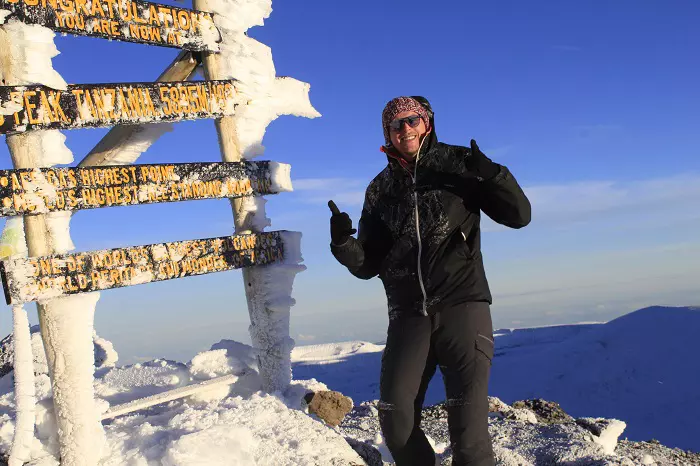
Begin the summit attempt around midnight. Trek slowly through switchbacks to Stella Point (5,756m), then continue to Uhuru Peak — the highest point in Africa. Enjoy sunrise views and photographs before descending to Mweka Camp for overnight rest.
Tour Highlights
- Highest success rate Kilimanjaro route due to excellent acclimatization
- Most scenic trail with sweeping views of northern slopes and Kenyan plains
- Longer route with less crowds, ideal for nature lovers
- Group budget climbing experience for affordable adventure
- Certified professional mountain guides and support crew
- Hot meals, purified water, and quality camping gear provided
Best Time to Book and Visit
- June – October: Best weather, clear trails, low rainfall.
- December – February: Warm conditions and clear views.
- Climbing is possible year-round but avoid long-rain months (April & May).
Why Choose the Kilimanjaro Mountain Region?
Kilimanjaro offers unmatched natural beauty, diverse ecosystem zones, and once-in-a-lifetime trekking experiences. The Northern Circuit Route showcases glaciers, volcanic formations, endemic plants, and breathtaking alpine scenery. It is the perfect choice for trekkers seeking serenity and success.
What to Pack
- Warm layered clothing (base, mid, and outer layers)
- Insulated jacket and waterproof trousers
- Sleeping bag rated -10°C or lower
- Headlamp with extra batteries
- Hiking boots (waterproof)
- Thermal gloves, socks, and hat
- Personal snacks and energy bars
- Reusable water bottle and hydration pack
Inclusions & Exclusions
Included:
- Group climb with certified mountain guides
- All park fees and rescue fees
- Camping equipment (tents, sleeping mats)
- Three meals daily while on the mountain
- Porters for luggage and equipment
- Transport from Moshi to Lemosho Gate and back
- Pulsometer & daily health monitoring
Excluded:
- Sleeping bags (available for rent)
- Personal travel insurance
- Tips for guides and porters
- Personal climbing gear
- Hotel accommodation before/after climb
Why Choose Kiliserengoro Tours?
- Highly experienced Kilimanjaro climbing guides
- Best group-budget prices with high service standards
- Quality camping equipment and nutritious meals
- Excellent summit success rates
- Ethical treatment of porters and sustainable tourism practices
- 24/7 customer support and emergency response
Frequently Asked Questions
1. Is the Northern Circuit Route difficult?
It is long but not extremely steep. Good acclimatization makes it suitable for most trekkers.
2. What is the summit success rate?
Very high – often above 90% due to the long acclimatization profile.
3. How big are the group sizes?
Groups range from 4–12 climbers.
4. Are porters included?
Yes. Porters carry personal luggage and camping gear.
5. What if I feel sick?
Guides conduct daily health checks and follow strict safety procedures. Emergency descent is always possible.

 Facebook
 Instagram
 WhatsApp
 Email
Email
 TripAdvisor
 YouTube