

✅ KILISERENGORO TOURS 2026,2027: (what-is-park-entry-fee-per-person-per-day)

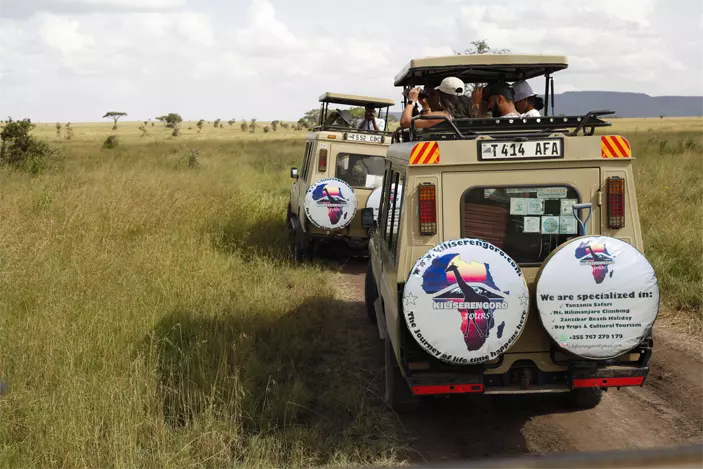
Park entry fees are a key part of planning your safari in Tanzania, and understanding them helps you budget correctly. Each park has its own fee structure, and charges differ based on: Whether you are a foreign non-resident, a resident, or an East African citizen. Which park you are visiting (Serengeti and Ngorongoro are generally more expensive than parks like Tarangire or Lake Manyara). The season – some parks have different charges in high and low season. Age category – adults, children, and students often have separate rates. For example, the Serengeti National Park charges about $70 per adult per day for foreign non-residents, while Ngorongoro Crater has an entry fee of $60 per person per day plus a crater service fee of $295 per vehicle. Other parks like Tarangire and Lake Manyara cost about $50–$60 per adult per day. These fees usually cover access to the park for 24 hours, but they do not include accommodations, vehicle charges, guiding, or extras like night game drives. Budgeting properly for park entry is important since they form a significant part of the total safari cost, particularly on longer trips or family safaris

About Kiliserengoro Tours

Kiliserengoro Tours is a best and trusted Tanzania tour company offering expertly guided safaris, Kilimanjaro treks, and Zanzibar holidays. With strong online presence and verified packages, they are known for personalized service and fair pricing.


Itinerary – Understanding Park Entry Fees in Tanzania

Tour Highlights

  • Breakdown of daily entry fees across Tanzania’s major national parks.
  • Clear explanation of foreign non-resident, resident, and citizen rates.
  • Insight into seasonal pricing differences (high vs. low season).
  • Details on additional costs like crater service fees and vehicle charges.
  • Tips for budgeting safari costs effectively.

Detailed Itinerary (Day by Day)

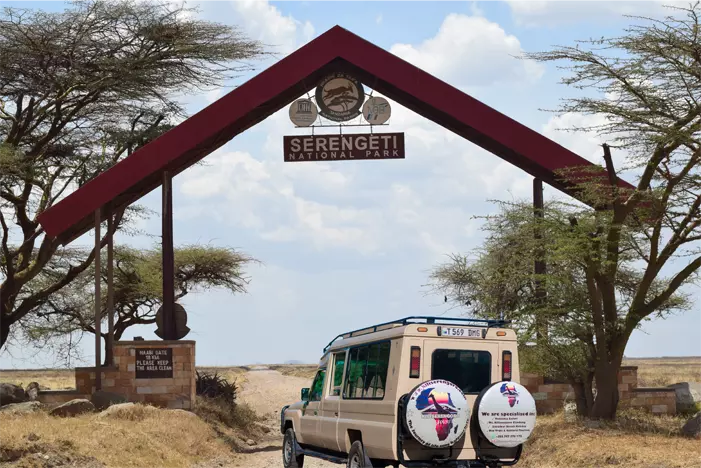
Day 1 – Serengeti National Park: Entry fee is about $70 per adult per day for foreign non-residents, $30 for children (5–15 years). Residents and citizens pay significantly less. Payment is valid for 24 hours. Extra fees may apply for special activities like night drives.

Day 2 – Ngorongoro Crater: Entry fee is $60 per adult per day, plus a crater service fee of $295 per vehicle each time you descend. Children under 5 enter free. The high cost here makes it one of the most expensive conservation areas.

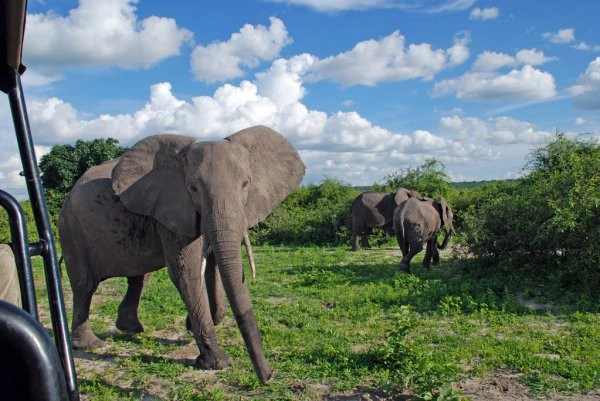
Day 3 – Tarangire National Park: Entry fee is around $50–$60 per adult per day. Known for its large elephant herds, Tarangire provides a more affordable option compared to Serengeti or Ngorongoro.

Day 4 – Lake Manyara National Park: Entry fee averages $50 per adult per day. This compact park is ideal for bird lovers and tree-climbing lions.

Day 5 – Arusha & Other Parks: Lesser-known parks like Arusha or Mikumi range between $30–$50 per person per day, offering budget-friendly alternatives with fewer crowds.

Inclusions & Exclusions

Included:

  • Park access for 24 hours per paid day.
  • Conservation fees supporting wildlife protection.

Excluded:

  • Vehicle entry fees and crater service fees (Ngorongoro).
  • Accommodation costs within or near the parks.
  • Meals, guiding, and transport charges.
  • Special activity permits (e.g., night drives, walking safaris).

Best Time to Book

Park fees are consistent year-round, but availability of permits can be tight during peak season (June–October and December holidays). Book well in advance if traveling during these times. For budget-conscious travelers, low season (March–May) offers easier access and more availability, though some roads may be muddy.

Why Choose This Tour

  • Gain a clear understanding of how park fees affect your safari budget.
  • Helps you plan which parks to combine for cost-effectiveness.
  • Detailed breakdown ensures no hidden costs surprise you.
  • Perfect for both first-time travelers and seasoned safari-goers.

FAQs

Q: Are park fees the same for everyone?
A: No. Fees differ for foreign non-residents, residents, and East African citizens.

Q: Are children charged park fees?
A: Yes. Children between 5–15 years pay reduced rates, while under 5 years are usually free.

Q: Can I pay park fees in cash?
A: Most parks require payment by credit card or electronic system (no cash at the gate for non-residents).

Q: Do park fees include camping or lodging?
A: No. Accommodation is charged separately, either inside or outside the parks.

Q: How often must I pay?
A: Fees are charged per person, per day (24-hour period). Each additional day requires another fee.

BOOKING FORM

✅ (what-is-park-entry-fee-per-person-per-day) 2026,2027

You May Also Like These Packages

2 Days Tanzania Safari
Best 2 Days Tanzania Safari Tour Packages 2025–2026
View Package
6 Days Safari
6-Day Tanzania Safari Packages: Best Options 2025–2026
View Package
Safari Cost & Prices
✅ Tanzania Safari Cost and Prices 2025 – Best Safari Packages
View Package
Tanzania Kenya Safari
✅ 6 Days Tanzania & Kenya Safari Tour – Mid-Range Package 2025–2026
View Package
Tanzania Safari

Unforgettable Tanzania Safari Tours 2026,2027

A Tanzania safari offers one of the most extraordinary wildlife experiences on Earth. From the vast plains of the Serengeti to the dramatic landscapes of the Ngorongoro Crater, a Tanzania safari provides close encounters with lions, elephants, cheetahs, and giraffes in their natural habitat. This East African nation is home to over 16 national parks, making it a top-rated destination for game drives and big five sightings.

Whether you're embarking on a classic northern circuit safari or exploring off-the-beaten-path gems like Selous and Ruaha, a Tanzania safari tour promises unmatched photographic opportunities and raw natural beauty. Experienced guides, custom safari vehicles, and a wide range of lodges—from luxury to budget—allow visitors to tailor their perfect safari in Tanzania.

The best time for a Tanzania safari holiday is during the dry season (June to October), especially if you're hoping to witness the legendary wildebeest migration. Book your Tanzania safari package early and choose from private safaris, group safaris, or family-friendly adventures to make the most of your journey into the wild.
Kilimanjaro Trekking

Ultimate Kilimanjaro Trekking Adventures 2026,2027

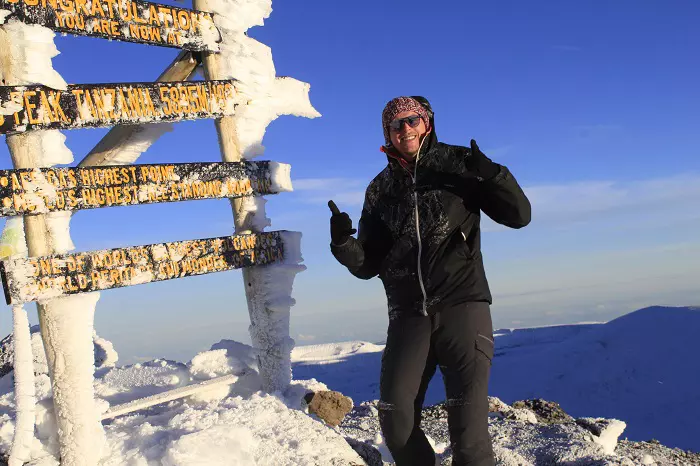
Kilimanjaro trekking is a life-changing experience that draws thousands of trekkers each year to climb Africa’s highest mountain. Mount Kilimanjaro, standing at 5,895 meters, is the tallest freestanding volcano in the world and a must-climb for adventure seekers. Unlike technical climbs, trekking Kilimanjaro is accessible to fit travelers with strong determination and the right support.

Popular Kilimanjaro trekking routes include the scenic Machame Route (the “Whiskey Route”), the peaceful Lemosho Route, and the Marangu Route (the “Coca-Cola Route”), which features hut accommodation. Each route varies in scenery, difficulty, and duration. A typical Kilimanjaro trekking tour lasts between 6 to 9 days, allowing trekkers to acclimatize and increase summit success rates.

Experienced mountain guides and porters are essential for a safe and enjoyable Kilimanjaro trekking experience. Many packages include camping gear, meals, park fees, and airport transfers. Whether you're a first-time climber or a seasoned hiker, trekking Mount Kilimanjaro will test your spirit and reward you with breathtaking sunrise views from Uhuru Peak.

Zanzibar Holidays

Relaxing Zanzibar Holidays & Beach Escapes 2026,2027

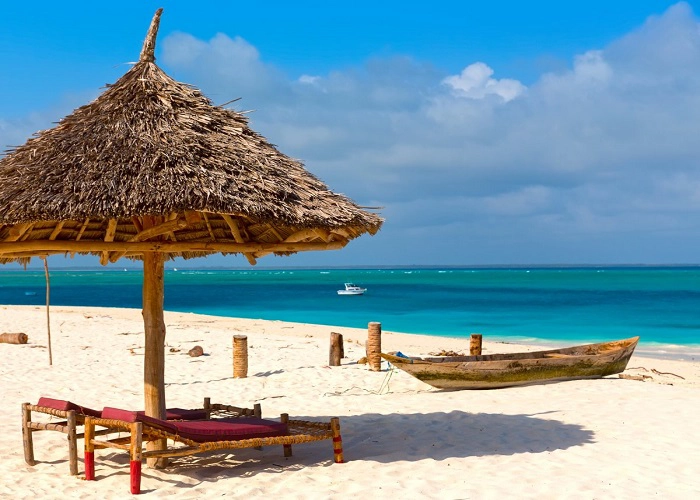
After an adventurous safari or mountain trek, unwind with a Zanzibar holiday on Tanzania’s exotic island paradise. Zanzibar is famous for its white sandy beaches, turquoise waters, coral reefs, and rich Swahili-Arabic history. Whether you’re planning a romantic honeymoon, family getaway, or solo retreat, Zanzibar holidays offer something for everyone.

Spend your days snorkeling, diving, or sailing in a traditional dhow boat, and your evenings enjoying fresh seafood by the sea. Explore Stone Town, a UNESCO World Heritage Site, with its narrow alleys, historic mosques, and bustling spice markets. From luxury beachfront resorts to eco-friendly lodges, Zanzibar holiday packages can be customized to fit any budget.

The best time for a holiday in Zanzibar is during the dry season (June to February), when the weather is sunny and perfect for beach activities. Many travelers combine their Zanzibar beach holiday with a Tanzania safari or Kilimanjaro climb for the ultimate East African experience.

Day Trips from Moshi Arusha

Exciting Day Trips from Moshi & Arusha 2026,2027

Explore the hidden gems of northern Tanzania with unforgettable day trips from Moshi and Arusha. Whether you're short on time or looking to add some extra adventure to your safari or climb, these day tours in Tanzania offer rich cultural, natural, and wildlife experiences just a few hours from town.

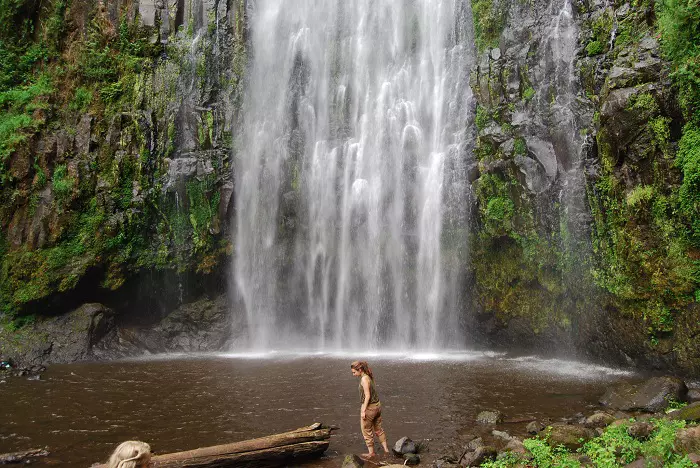
Popular Moshi day trips include Chemka Hot Springs (Kikuletwa), Materuni Waterfalls & Coffee Tour, and Marangu Village. These scenic spots offer a refreshing contrast to the mountain atmosphere, featuring waterfalls, banana plantations, and traditional Chagga culture.

From Arusha, embark on Arusha day tours to Arusha National Park for wildlife game drives, or head to Lake Duluti for canoeing and crater views. You can also explore Maasai villages, hike Mt. Meru foothills, or visit cultural museums. These well-organized day tours from Arusha are perfect for those who want to immerse in authentic Tanzanian life without long travel days.

All day trip packages can be arranged with a guide, transportation, park entry, and meals—making them hassle-free and enriching additions to your itinerary.

Frequently Asked Questions (FAQs) 2026,2027

The best time for a Tanzania safari is between June and October when wildlife viewing is at its peak. This dry season allows easier spotting of animals as they gather near water sources.

Kilimanjaro trekking is challenging but achievable for people with average fitness. No technical climbing is required, but altitude can be tough. Acclimatization and the right route increase your summit chances.

For your Zanzibar holiday, pack lightweight clothing, sunscreen, beachwear, swimwear, sandals, insect repellent, and a hat. For Stone Town, bring light modest clothes for cultural respect.

A typical Tanzania safari lasts 3 to 7 days depending on the parks visited. Longer trips allow you to explore multiple locations like Serengeti, Ngorongoro Crater, and Tarangire.

The Lemosho and Machame routes offer the best Kilimanjaro trekking success rates due to their longer duration and better acclimatization. Lemosho is scenic and less crowded.

Yes, Zanzibar is generally safe for tourists. Exercise standard precautions, avoid walking alone late at night, and respect local customs, especially in Stone Town.

Absolutely. Many travelers combine a Kilimanjaro trekking adventure, a Tanzania safari tour, and a Zanzibar beach holiday into one epic trip. You’ll need around 14–18 days for the full experience.

Yes, most visitors need a visa to enter Tanzania, which also covers Zanzibar. You can apply online via Tanzania's eVisa portal or get one upon arrival.

Yes, Kilimanjaro trekking is safe when done with experienced guides. Choose a reputable operator, go slowly, and hydrate well to reduce altitude sickness risk.

A Tanzania safari offers sightings of lions, elephants, rhinos, buffaloes, leopards, giraffes, cheetahs, wildebeests, zebras, hippos, crocodiles, and hundreds of bird species.

Zanzibar holiday costs vary depending on your hotel type. Budget travelers can spend $50–$100/day, while luxury resorts may cost $200–$600/day or more, excluding flights.

Mount Kilimanjaro stands at 5,895 meters (19,341 feet) above sea level. Altitude sickness is a major challenge during Kilimanjaro trekking, so acclimatization is key.

Yes, it's recommended to take antimalarial medication before traveling to Tanzania and Zanzibar. Consult your doctor for the best option based on your travel plans.

Main entry points for a Tanzania safari include Kilimanjaro International Airport (JRO) for northern parks and Julius Nyerere International Airport (DAR) for southern parks.

Most climbers head to the coast for a relaxing Zanzibar beach holiday after finishing their Kilimanjaro trekking tour. It’s the perfect way to rest and rejuvenate.

Yes, US Dollars are widely accepted for most tourist services in Tanzania and Zanzibar. However, carry some Tanzanian Shillings (TZS) for small purchases or local markets.